
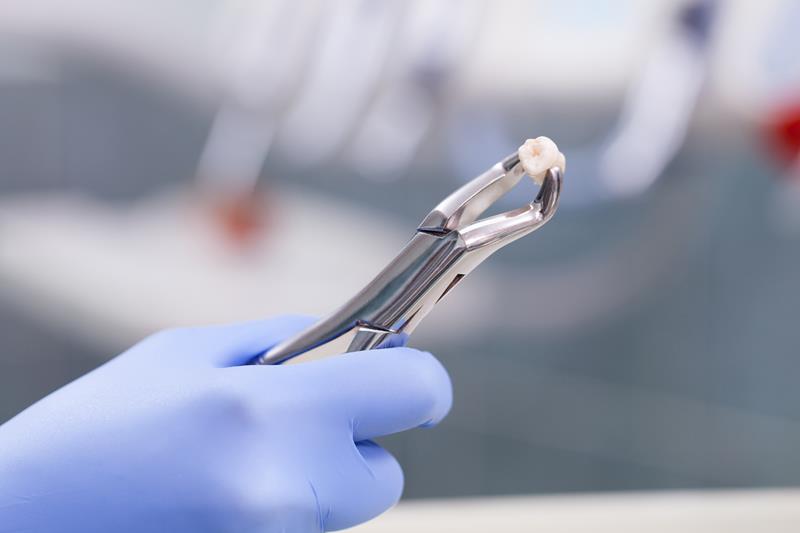
A tooth extraction is rarely the first choice for any dentist, but sometimes it’s the option that protects the rest of your mouth. At Kettle Valley Family Dental, we see patients across Kelowna for many reasons behind a tooth extraction Kelowna— deep decay that has destroyed too much of the tooth structure, a fracture below the gum line, advanced gum disease that has loosened the roots, or overcrowding that needs correcting before braces or Invisalign. Baby teeth that won’t budge on their own sometimes need help too. Whatever the reason, the goal of any tooth extraction is always to protect your bite, your jaw, and your long-term oral health, not just to remove a problem tooth.
Dental Extractions Kelowna: Simple vs. Surgical
Not every extraction looks the same, and understanding the difference can ease some of the nerves that come with the appointment. Dental extractions Kelowna patients go through generally fall into two categories. A simple extraction is done on a tooth that is fully visible above the gum line, usually under local anesthetic, and takes just a few minutes. A surgical extraction is needed when a tooth has broken off at the gum, hasn’t fully erupted, or has curved roots that make a straightforward pull impossible. Our team walks you through which category your case falls into before any work begins, so there are no surprises once you’re in the chair.
Wisdom Tooth Removal Kelowna: A Common Reason for Extraction
Wisdom teeth are probably the most familiar reason people search for an extraction in the first place. Wisdom tooth removal Kelowna residents often ask about comes down to lack of space — these third molars try to erupt in the back of the jaw where there’s usually no room left, causing them to grow sideways, get trapped under the gum, or push against neighbouring teeth. Left alone, an impacted wisdom tooth can lead to infection, cysts, or crowding that undoes years of orthodontic work. If you’re in your late teens or early twenties and starting to feel pressure or soreness at the back of your jaw, it’s worth having it checked before it becomes something more urgent.
When It Becomes an Emergency
Pain doesn’t wait for a convenient appointment slot, and some situations genuinely can’t wait. An emergency tooth extraction Kelowna patients need usually involves a tooth that’s cracked to the point of exposing the nerve, an abscess that’s spreading, or an injury from a fall or sports accident. In these situations, our clinic prioritizes getting you seen quickly, because delaying an emergency tooth extraction Kelowna families often try to push off can allow infection to spread into the jawbone or bloodstream. If you’re dealing with sudden, severe tooth pain, swelling, or a knocked-out tooth, call us right away rather than waiting it out.
What Happens Right After Your Tooth Extraction
Once the tooth is out, your body gets to work forming a blood clot in the socket — this clot is the foundation of healing, so protecting it matters more than almost anything else in the first 24 hours. Bite gently on the gauze we provide for 30 to 45 minutes, avoid rinsing or spitting forcefully, and skip using a straw, since the suction can dislodge the clot and lead to a painful dry socket. Ice packs on the cheek in 20-minute intervals help with swelling on the first day, and any prescribed or over-the-counter pain relief should be taken as directed rather than waited on until pain builds up.
Aftercare Tips for the First Week
The days following any tooth extraction call for a bit of patience with yourself. Keep your head elevated while resting, avoid smoking or alcohol since both slow healing and raise infection risk, and steer clear of vigorous exercise for at least 48 hours. Gently rinsing with warm salt water starting the day after your appointment helps keep the area clean without disturbing the clot. Brushing can continue as normal everywhere except directly over the extraction site until it closes up. Most people feel noticeably better within three to four days, though full gum healing takes a couple of weeks.
What to Eat While Healing
Food choices in the first few days make a real difference in how smoothly things go. Stick to soft, cool foods like yogurt, mashed potatoes, scrambled eggs, smoothies (eaten with a spoon, not sipped through a straw), and broths for the first 24 to 48 hours. As swelling goes down, you can gradually add oatmeal, pasta, and soft-cooked vegetables. Avoid anything crunchy, spicy, or with small seeds — think chips, nuts, or popcorn — since these can irritate the socket or get lodged inside it. Chewing on the opposite side of your mouth for the first week gives the extraction site the space it needs to heal undisturbed.
Book Your Visit at Kettle Valley Family Dental
If you’re dealing with tooth pain, a wisdom tooth that’s causing trouble, or you think you might need an extraction, our team at Kettle Valley Family Dental is here to walk you through your options with care and honesty.
Call our Kelowna office to book a consultation today.
Frequently Asked Questions
1. How long does a tooth extraction take to heal?
Most soft tissue healing happens within 7 to 10 days, while the bone underneath can take a few months to fully fill in.
2. Is tooth extraction painful?
The area is numbed with local anesthetic during the procedure, so you shouldn’t feel pain, though some soreness and swelling is normal for a day or two afterward.
3. When should I consider an emergency tooth extraction?
If you have severe pain, visible swelling, a fever, or a tooth that’s been knocked out or badly cracked, it’s worth contacting a dentist right away rather than waiting.
4. Do wisdom teeth always need to be removed?
Not always — some wisdom teeth come in straight and cause no problems. Removal is usually recommended when they’re impacted, crowded, or causing pain or infection.
5. What should I avoid eating after a tooth extraction?
Skip crunchy, hard, spicy, or seeded foods, and avoid using a straw, since suction can dislodge the healing blood clot and lead to a dry socket.
