
Complete Guide to Dental Exams in Kelowna
A dental exam is about more than looking for cavities. Your smile changes over time, and so should your care plan.
Your teeth, gums, bite, jaw joints, and oral tissues can all change over time, and regular examinations allow us to identify concerns early and monitor your oral health from one visit to the next.
At Kettle Valley Family Dental, we tailor your examination to your needs, whether you are a new patient, coming in for a routine check-up, experiencing a specific concern, or need a more comprehensive assessment.
Different Types of Dental Exams ?
Not every dental exam is the same. The type of examination you need depends on your dental history, current concerns, and whether you are a new or returning patient.
A missed cavity or an early gum issue rarely announces itself with pain. That’s why routine exams matter, they catch small changes before they turn into bigger, costlier problems.
Our team looks past the surface to understand what’s going on in your mouth, connecting what we find to your daily habits, your health history, and your smile goals.

Comprehensive New Patient Dental Exam
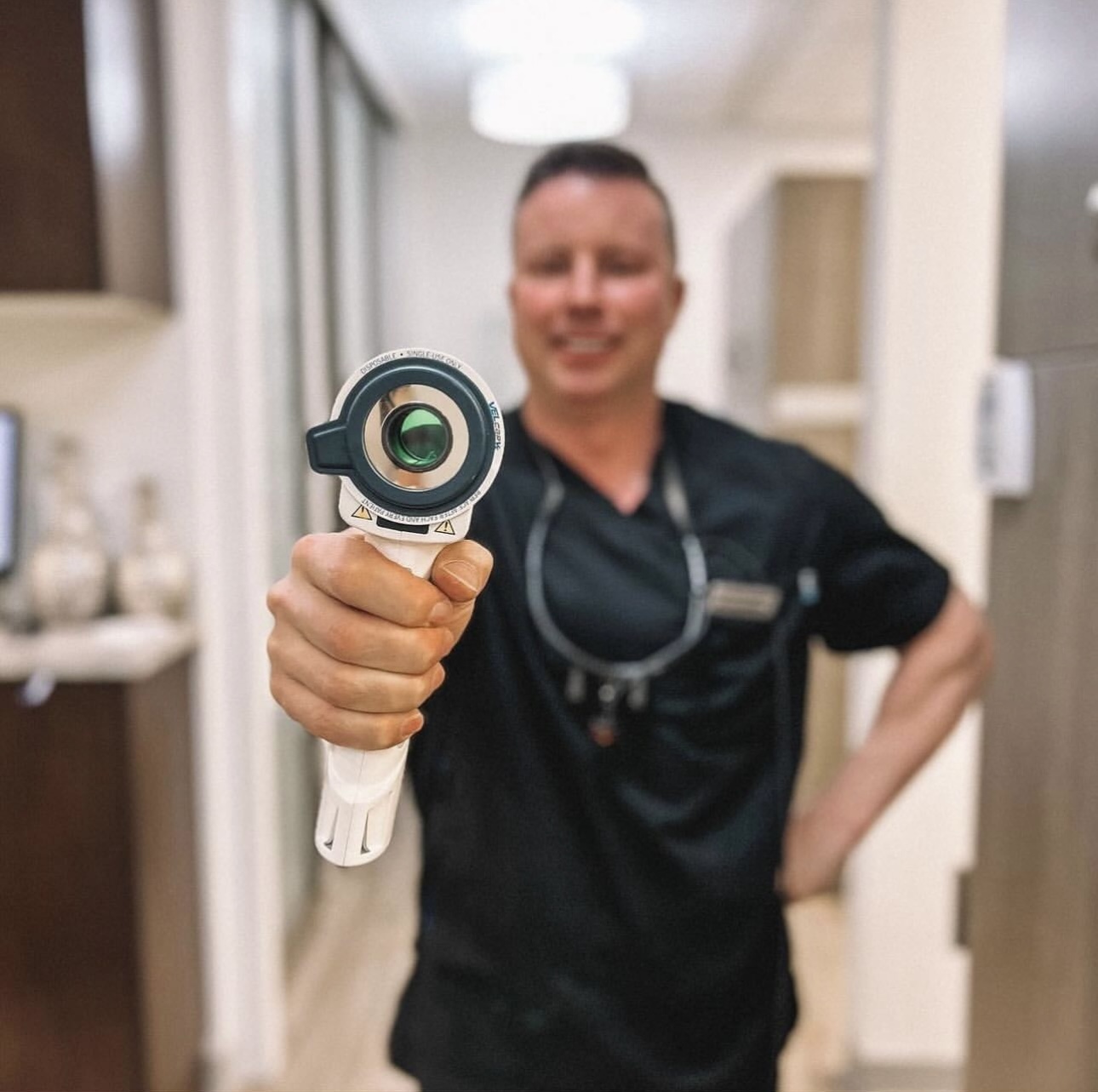
If you’re new to Kettle Valley Family Dental, your first visit will include a comprehensive examination designed to give us a complete picture of your oral health. We take the time to tour your full mouth and understand your dental history, concerns, and goals while carefully assessing your teeth, gums, bite, jaw, and oral tissues.
Your comprehensive new patient exam may include:
- Review of your medical and dental history
- Discussion of any concerns, symptoms, or smile goals
- Comprehensive examination of your teeth and existing restorations
- Complete gum and periodontal evaluation
- Bite and jaw joint (TMJ) assessment
- Oral cancer screening
- Digital X-rays and other diagnostic imaging when clinically indicated
- Intraoral photographs when helpful
- Evaluation of existing or potential dental treatment needs
- Review of our findings and recommendations
- Discussion of preventive and restorative treatment options
Rather than simply looking for problems, we use your first examination to establish a baseline for your oral health. This allows us to identify concerns that may need attention, monitor areas over time, and create a personalized plan for maintaining your dental health.
Routine Dental Exam
Routine exams are designed to monitor your oral health and identify changes before they become larger problems.
During a routine examination (recall exam), we assess:
- Teeth for cavities, cracks, wear, erosion, and other changes
- Existing fillings, crowns, bridges, and other restorations
- Gums for inflammation, bleeding, recession, and signs of periodontal disease
- Your bite and jaw joints
- Soft tissues of the mouth, including the lips, cheeks, tongue, and throat
- Any changes since your previous examination
X-rays are not automatically taken at every appointment. We recommend imaging based on your individual history, age, risk factors, and clinical findings.

- Tooth pain or sensitivity
- A chipped, cracked, or broken tooth
- A loose or damaged filling, crown, or other restoration
- Swelling or tenderness
- Bleeding or discomfort in a specific area
- Changes you have noticed in your teeth or gums
- Jaw or bite concerns
- A concern with a particular tooth that you'd like assessed
Depending on what we’re evaluating, your exam may include a clinical examination, focused X-rays or other imaging, and photographs to help us understand the issue.
We’ll explain what we find, answer your questions, and discuss any recommended treatment and options with you
Specific Dental Exam
Sometimes you have a specific concern that needs to be assessed, even when you’re not due for a routine dental exam. A specific dental exam focuses on a particular tooth, area, or symptom so we can determine what may be causing the concern and whether treatment is needed.
A specific dental exam may be recommended for concerns such as:
Emergency Dental Exam
Dental emergencies can happen unexpectedly, and severe pain or other urgent symptoms may need to be assessed quickly. If you are experiencing a dental emergency, contact our office as soon as possible. We will do our best to provide a same-day appointment when appropriate.
Emergency dental exams may be needed for:
- Severe or sudden tooth pain
- Significant swelling in the mouth, face, or gums
- A dental abscess or suspected infection
- Uncontrolled or unusual oral bleeding
- A knocked-out or severely damaged tooth
- A broken tooth causing significant pain
- Severe dental trauma or injury
During an emergency exam, we focus on identifying the cause of your symptoms, relieving discomfort where possible, and determining the appropriate next step for your care. Depending on your situation, this may include focused X-rays or other diagnostic imaging.
Experiencing severe dental pain, swelling, bleeding, or signs of infection?
Call our office as soon as possible so we can help determine the best course of action.
Experiencing a dental problem?
Contact our office and we’ll help determine the next appropriate step.
What Happens During a Dental Exam?
While every examination is tailored to the patient, your appointment will generally include four steps.
We Start With You
We'll review your medical and dental history and ask about any changes since your last visit. If you have a specific concern, this is also the time to tell us what you've been experiencing.
We Examine Your Oral Health
Your dentist will examine your teeth, gums, bite, jaw joints, and oral tissues. We look for signs of cavities, gum disease, cracks, wear, erosion, infection, and other changes.
We Use Imaging When It's Helpful
Digital X-rays, intraoral photographs, or other imaging may be recommended when they provide information that cannot be seen during the clinical examination. Imaging recommendations are based on your individual needs rather than automatically performed at every visit.
We Explain What We Find
We review our findings with you and explain what we're seeing, including any areas that need treatment or monitoring. If treatment is recommended, we'll discuss your options, timing, and costs so you can make an informed decision.

Why Regular Dental Exams Matter
Many dental problems can develop without noticeable symptoms. Cavities, gum disease, worn teeth, and other concerns may not cause pain until they have progressed.
Regular examinations allow us to:
- Identify problems earlier
- Monitor changes over time
- Assess your gum health
- Check the condition of existing dental work
- Screen for abnormalities in the oral tissues
- Monitor your bite and jaw health
- Build a preventive plan around your individual needs
How often you need an examination depends on your oral health, dental history, risk factors, and individual needs. While many patients are seen approximately every six months, some patients may benefit from more or less frequent examinations.
Dental Exam vs. Dental Cleaning
A dental exam and a dental cleaning are two different parts of preventive dental care.
A dental exam is a clinical assessment, by the treating doctor, of your teeth, gums, bite, jaw, and oral tissues. It is used to identify and monitor dental concerns.
A dental cleaning removes plaque, tartar, and buildup from your teeth and along the gumline.
They are often scheduled during the same visit, but they serve different purposes.
Why Choose Kettle Valley Family Dental for Your Dental Exams in Kelowna
A Team That Listens First We ask about your concerns before we start looking, so your exam addresses what actually matters to you.
Technology That Adds Clarity Digital X-rays and intraoral photos let you see what we see, so findings are easy to follow. When imaging is recommended, we’ll explain why it’s useful and review the results with you.
No-Pressure Treatment Conversations Options are explained clearly, and you’re given room to ask questions and decide at your own pace.
Family-Friendly Scheduling We work with you to find appointment times that fit school runs and busy calendars.
Consistent, Familiar Faces Seeing the same team over time means your history and preferences are already known.
Care Built Around Prevention We focus on catching small issues early, so exams and treatment stay simple.
A Comfortable, No-Pressure Approach
We believe an exam should be a conversation, not just a checklist.
We’ll take the time to answer your questions, explain what we find, and discuss your options. If treatment is recommended, you can ask questions and take the time you need to make a decision.
Our goal is to help you understand your oral health so you can make informed choices about your care.
Whether you’re due for your routine examination, new to Kelowna, or have a specific dental concern, our team is here to help.
Frequently Asked Questions
How often should I have a dental exam?
There is no single schedule that is right for everyone. Many patients have routine examinations approximately every six months, while others may benefit from a different interval based on their oral health, dental history, gum health, and risk factors.
What's the difference between a dental exam and a cleaning?
An exam assesses your oral health and looks for dental concerns. A cleaning removes plaque and tartar. They are different services, although they are often provided during the same appointment.
Are X-rays taken at every dental exam?
No. X-rays are recommended when clinically appropriate based on your dental history, age, risk factors, and examination findings. They are not automatically required at every visit.
Do you perform oral cancer screenings?
Yes. Oral cancer screening can be part of our routine examination process. Where we examine the soft tissues of the mouth, including the lips, cheeks, tongue, and surrounding areas, for unusual changes or abnormalities.
What if I don't have any dental pain?
You should still have regular examinations. Some dental problems, including early cavities and gum disease, may not cause noticeable symptoms. Regular exams allow us to identify changes before they become more advanced.
How long does a dental exam take?
The length of your appointment depends on the type of examination and your individual needs. A routine exam may be relatively brief, while a new patient or comprehensive examination may take longer, particularly if imaging or additional discussion is needed.
Can I book an exam if I'm a new patient?
Yes. New patients are welcome at Kettle Valley Family Dental. Your first appointment allows us to learn about your dental history, assess your current oral health, and establish a plan for ongoing care.