
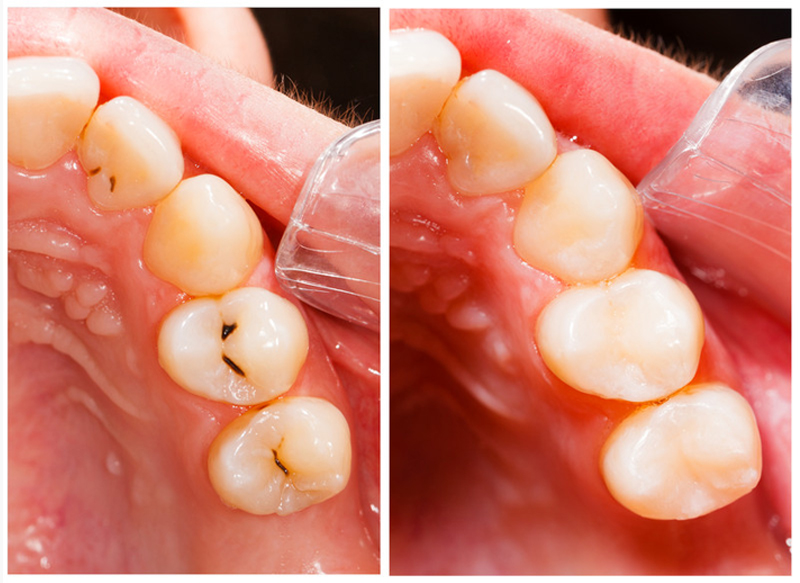
A small toothache can throw off your whole week. Maybe you noticed a sharp twinge while drinking coffee, or your tongue keeps finding a rough spot on a back molar. If you’ve been searching for answers about Dental Fillings Kelowna, you’re probably somewhere between “this is probably nothing” and “I should really get this looked at.” This guide walks you through what fillings actually do, the materials used today, what they tend to cost, and the signs that tell you it’s time to book an appointment.
What Are Dental Fillings and Why Do You Need Them
A filling is the material your dentist uses to repair a tooth after removing decay or fixing a small crack. Think of it as patching a pothole before the road underneath gives way. Left untreated, a small cavity doesn’t stay small — it grows deeper, gets closer to the nerve, and turns a simple filling appointment into something more involved, like a root canal. That’s really the whole point of Dental Fillings Kelowna patients ask about: catching the problem while it’s still manageable and stopping it from spreading further into the tooth.
Composite Fillings Kelowna: The Modern Standard
Most dental offices in the Okanagan, including our team, use composite fillings Kelowna residents have come to expect as the standard option. Composite resin is a mixture of fine glass or quartz particles bonded together, and it’s shaped and hardened directly onto the tooth using a curing light. Because it bonds chemically to the tooth structure, it actually adds some strength back to the tooth rather than just sitting in the hole like older materials used to. It also sets in a single visit, which matters if you’d rather not take two afternoons off work for one cavity.
Tooth Colored Fillings Kelowna: Why Appearance Matters Too
One reason patients specifically search for tooth colored fillings in Kelowna is that nobody wants a silver spot showing every time they laugh in a photo. Tooth-colored fillings are shade-matched to your natural enamel, so once they’re placed, they blend in rather than stand out. Beyond looks, there’s a practical side: because the material bonds directly to the tooth, dentists often need to remove less healthy structure compared to older metal fillings, which require a specific shape to stay mechanically locked in place. A less removed tooth generally means a stronger tooth long-term.
How to Know If You Need a Filling
Cavities aren’t always dramatic. Some show up as visible dark spots or holes, while others hide between teeth where you can’t see them at all. Common signs include sensitivity to hot or cold that lingers after the drink is gone, a dull ache when you bite down, food that keeps getting stuck in the same spot, or a rough edge your tongue notices but your eyes can’t find. Sometimes there are no symptoms at all, and the only way to catch it is through a routine check-up and x-rays. This is why waiting for pain isn’t really a strategy — by the time a cavity hurts, it’s often already deep.
Searching “Dental Fillings Near Me”? Here’s What to Look For
If you’ve typed Dental Fillings Near Me into Google, you’re likely juggling a few priorities: someone close by, an office that can see you soon, and a dentist who explains things clearly instead of rushing through the appointment. Location matters for the obvious reason — a filling isn’t usually an emergency, but you also don’t want to drive across town for a follow-up if something feels off. At Kettle Valley Family Dental, we see patients from across Kelowna and try to keep scheduling flexible so a small cavity doesn’t turn into a bigger wait than it needs to be.
Affordable Dental Fillings Kelowna: What Influences Cost
Cost is usually the next question, and it’s a fair one. Affordable dental fillings Kelowna patients ask about depend on a few factors: how many surfaces of the tooth are involved, which material is used, and whether the cavity is small or has spread closer to the nerve. A single-surface filling is typically less than a filling that wraps around multiple sides of a tooth. Most dental insurance plans in BC cover a portion of basic restorative work, so it’s worth checking your plan before your visit. Our front desk team can walk you through an estimate once we’ve taken a look, so there aren’t any surprises before treatment starts.
The Filling Process, Start to Finish
The appointment itself is fairly straightforward. The area gets numbed, the decayed portion of the tooth is carefully removed, and the tooth is cleaned out before the filling material is placed in thin layers and shaped to match your natural bite. A curing light hardens each layer, and your dentist checks your bite before you leave to make sure everything feels even. Most patients are back to eating and talking normally within a couple of hours, once the numbness wears off.
Getting the Right Care at Kettle Valley Family Dental
Every mouth is different, and the right filling material or approach depends on where the cavity is, how deep it goes, and what your bite looks like overall. Rather than guessing based on a Google search, an in-person exam and x-ray give a much clearer picture of what’s actually going on. If you’ve been putting off that appointment or you’re just due for a check-up, our team at Kettle Valley Family Dental is here to help.
Call Kettle Valley Family Dental to book your appointment online.
Frequently Asked Questions
1. How long do composite fillings last?
Composite fillings typically last 5 to 10 years, depending on their location in the mouth and your oral hygiene habits. Fillings on back teeth that handle more chewing pressure may wear down sooner than those on front teeth.
2. Do tooth colored fillings cost more than silver fillings?
They can be slightly more than older metal fillings, but most dentists in Kelowna use composite as the default option today since it bonds better and looks natural. Your dentist can confirm exact pricing based on your specific tooth.
3. Is getting a filling painful?
The area is numbed before any work begins, so patients generally feel pressure rather than pain during the procedure. Some mild sensitivity afterward is normal and usually fades within a day or two.
4. Can a cavity go away without a filling?
Very early enamel demineralization can sometimes be managed with fluoride and better oral hygiene, but once decay has broken through into the tooth, it won’t reverse on its own and needs a filling to stop it from spreading.
5. How do I know if my old filling needs to be replaced?
Watch for cracks, dark staining around the edges, sensitivity that wasn’t there before, or a filling that feels loose. A dental check-up every six months is the easiest way to catch these changes early.
